Industrial Spill and Production Floor Cleanup
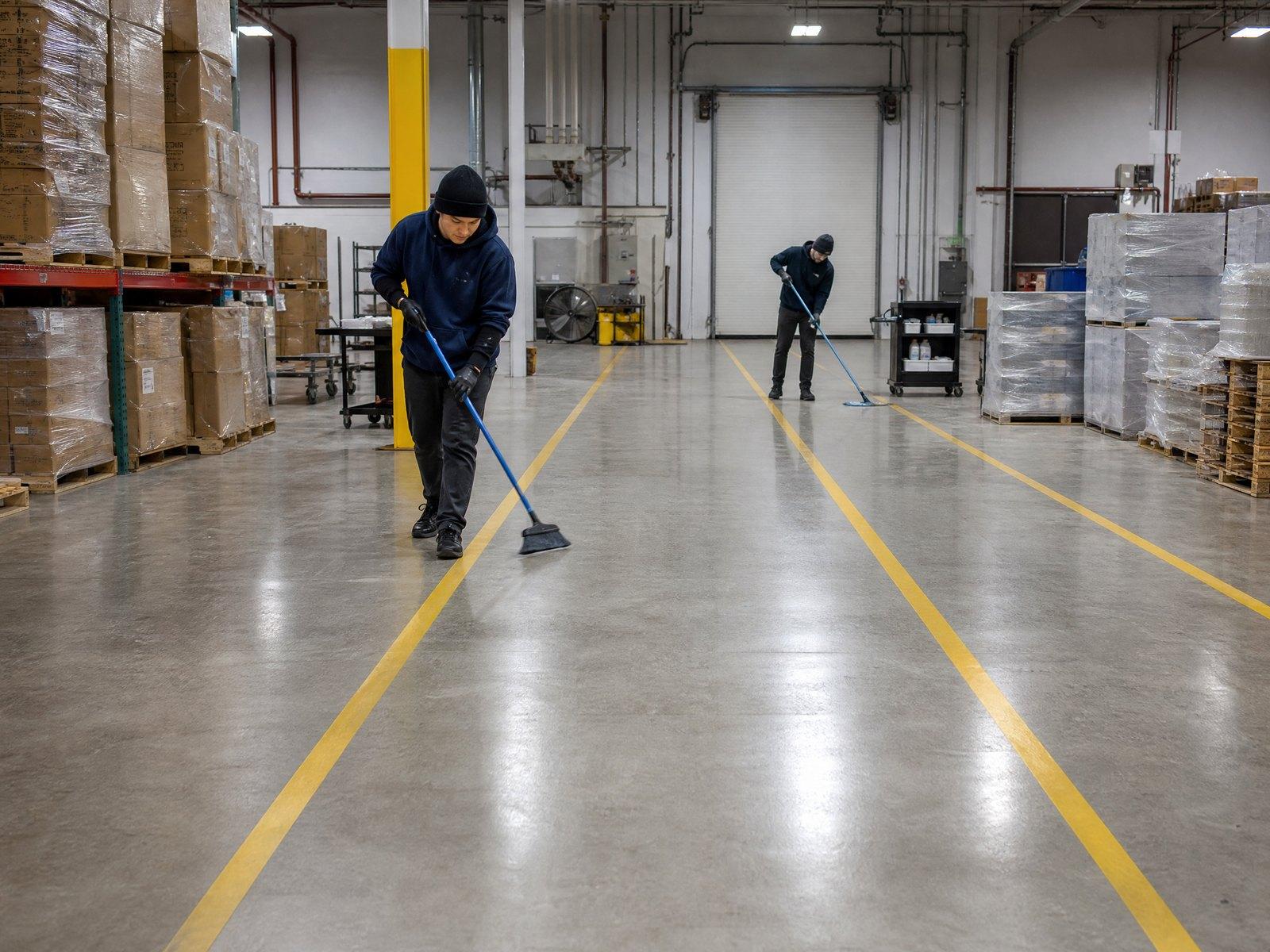
Industrial production cleanup is the unscheduled work that follows a pallet collapse, a leaking drum, broken packaging or a line failure: clearing the aisle, soaking up or sweeping the product, scrubbing the floor and getting traffic moving again. It differs from routine sweeping because the amount and type of mess are not known until someone looks.
Describe the job and add your city. Free to request, no obligation.
The first question is what the material is. Water-based product, food, cardboard and plastic are routine to clear with sweepers, scrubbers, absorbents and wet vacuums. Oils, solvents, acids, caustic or anything on a safety data sheet with a hazard rating needs trained responders, containment and approved disposal. A cleanup crew should say plainly where its scope ends and a specialist takes over.
Speed matters but safety comes first. Spills should be cordoned off, drains protected and the product identified before anyone starts. A written scope for the visit, even a short one, records what was cleaned, how waste was handled and what the floor looks like afterwards, which helps with safety records and insurer reports.
What the work includes
- Assessment of the material, quantity, floor type and nearby drains
- Barriers and signage to keep staff and forklifts out of the area
- Absorbent socks, pads and granules to contain and soak up liquids
- Sweeping or vacuuming of dry product, broken glass and packaging debris
- Scrubbing the floor to remove residue and reduce slip risk
- Wet vacuum recovery of liquid and wash water
- Bagging and labelling waste for disposal as agreed with your site
- A short written record of the work for your safety file
Situations that call for cleanup help
A pallet of liquid or powder product has fallen or burst in an aisle
Packaging, glass or plastic is scattered across a wide area
A forklift or equipment leak has spread oil or hydraulic fluid
A production line failure has left product on the floor
Aisles or docks are blocked and shipping is delayed
A floor is slippery and has to be made safe before work resumes
How the work goes, step by step
Tell us what happened
Describe the material, quantity, location and any safety data sheet or label details.
Safety check
Hazards are assessed, and anything that needs a hazmat team is passed on straight away.
Scope and quote
A written scope sets out the cleanup method, equipment, waste handling and what remains for your team.
Contain and clean
The area is cordoned off, product is contained and removed, and the floor is swept, scrubbed and recovered.
Handover
The area is checked for slip risk and a short record is provided.
What changes the price
- Type and amount of material
- Water-based or dry product costs less to clear than oils or hazardous chemicals.
- Area affected
- A single aisle is quicker than a wide area or multiple zones.
- Floor surface
- Porous concrete holds spills and may need more treatment than sealed floors.
- Disposal
- Waste may need special containers, labelling and a licensed disposal route.
- Time of day
- Out-of-hours attendance costs more than a planned visit.
- Follow-up
- A second pass or scrubbing visit may be needed once the floor has dried.
What a good quote spells out
- A clear statement of what the crew will and will not handle, such as hazardous materials
- How waste is bagged, labelled and who disposes of it
- Equipment to be used, such as wet vacuums, scrubbers and absorbents
- How the floor is left, including slip checks and signage
- What documentation you receive for your records
Emergency Production Cleanup: questions people ask
Can you clean up a chemical spill?
Only if the material is within the crew's scope and safe to handle. Hazardous substances need trained responders and approved disposal, and a good provider will tell you so rather than guess.
What should we do before cleanup starts?
Keep people away, stop the source if it is safe, protect drains and find the safety data sheet. This gives the crew the information they need.
How is waste disposed of?
That depends on the material and local rules. Ordinary product and packaging go to normal waste streams, while hazardous waste needs approved handling. The quote should say who is responsible.
Will the floor still be slippery afterwards?
A scrubber and the right cleaner remove most residue, but oils on porous concrete can linger. The crew should check slip risk and tell you if more treatment is needed.
Other Broomline services
Need Real Industrial Sweeping? Let's Scope Your Floor.
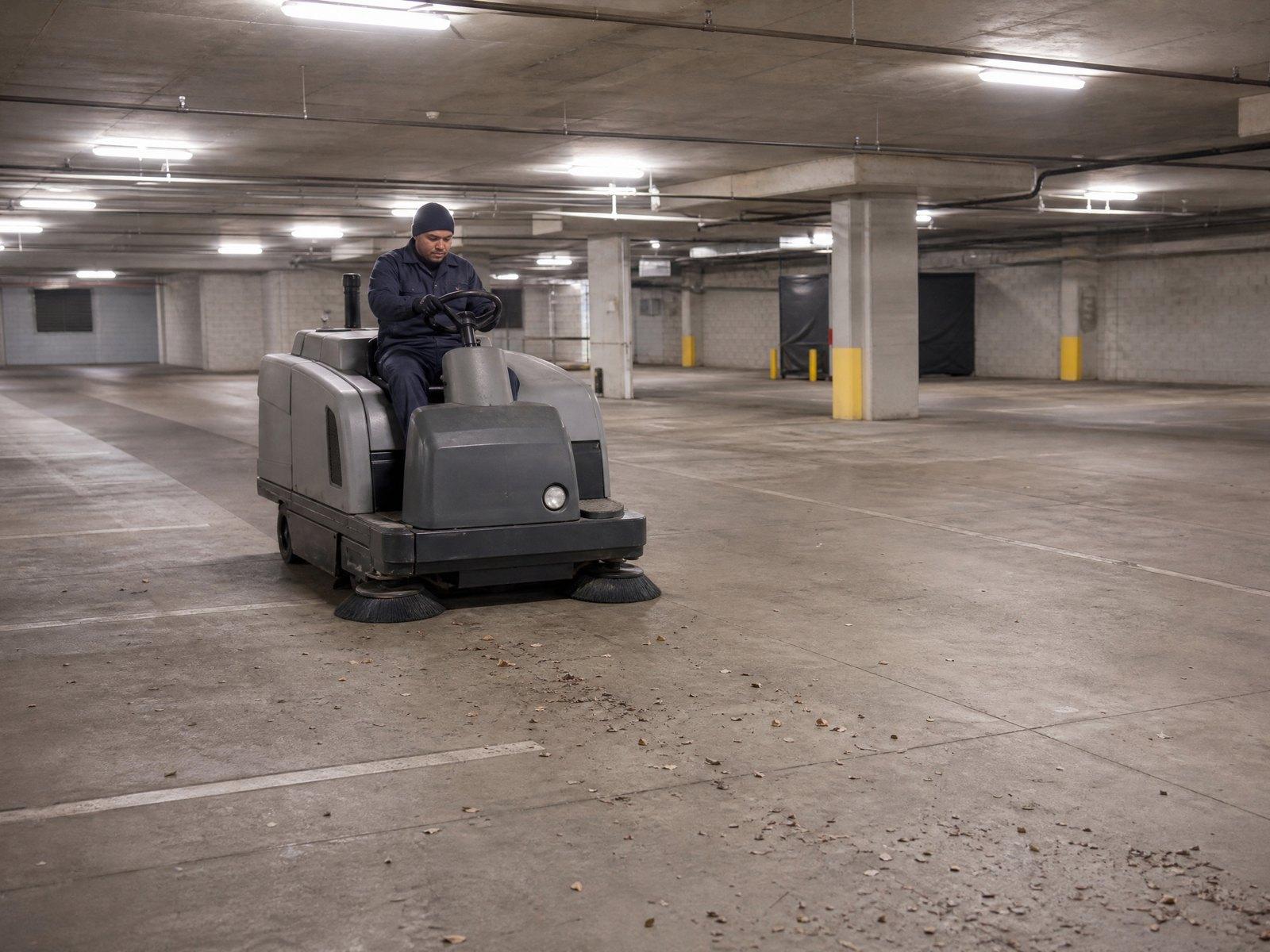
Tell us about your facility in the quote form. A specialist who serves your area follows up to arrange a walkthrough and prepare a written route proposal. Free to request, no obligation.
Request a free quote →