Dust Control Sweeping for Silica, Aggregate and Fine Dust
Dust control sweeping is floor cleaning done with filtered machines, wet methods or vacuum systems so fine particles are captured instead of thrown into the air. It is used in aggregate plants, concrete and cement operations, foundries, stone and tile shops and any area where silica, wood or fine mineral dust settles on the floor.
Describe the job and add your city. Free to request, no obligation.
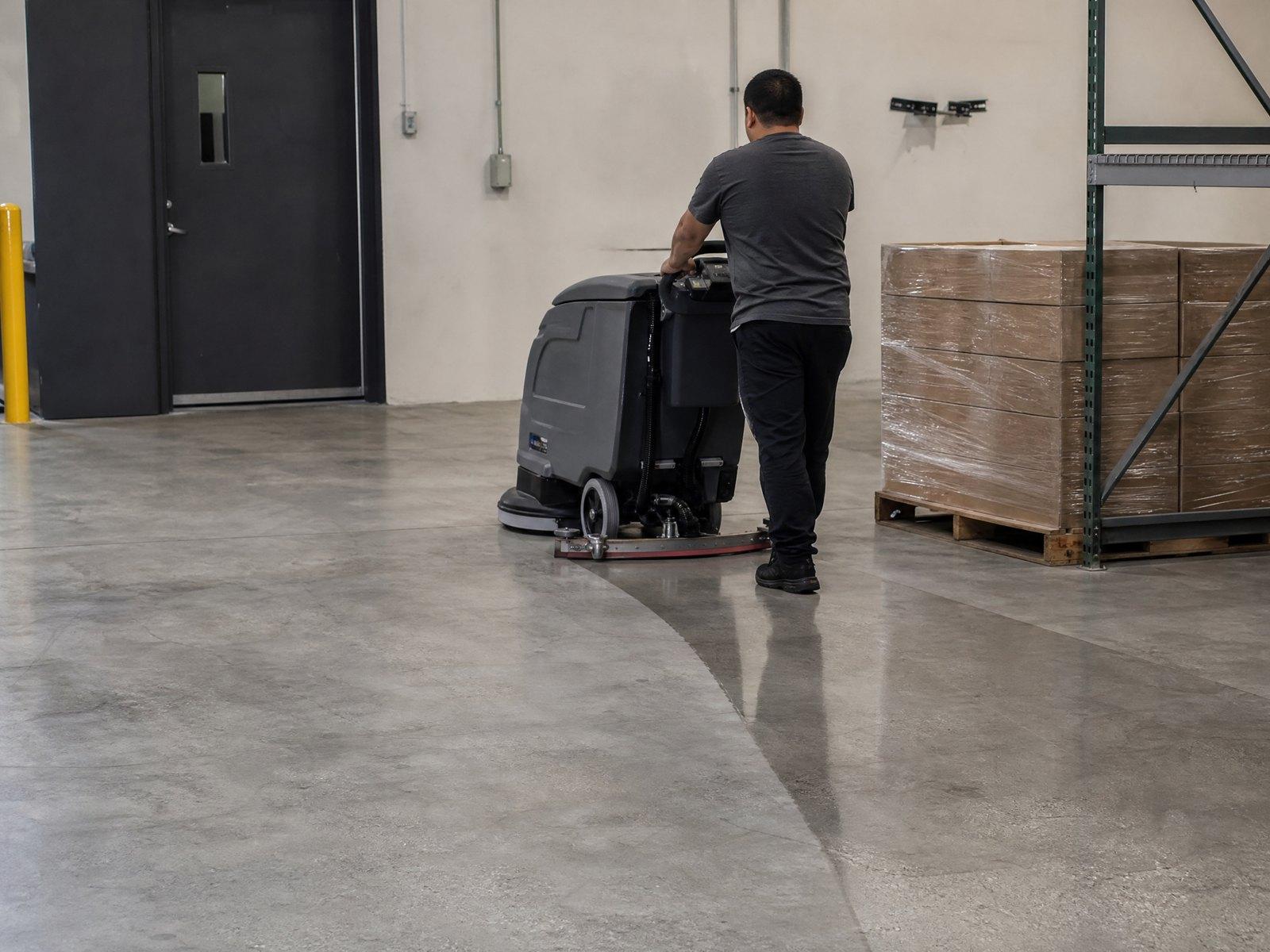
A dry broom or an unfiltered sweeper is the worst choice for this job, because it lifts the finest particles into the breathing zone and spreads them to other areas. Machines with high-efficiency filtration, dust-suppression sprays or industrial vacuum attachments hold the dust in. Sweeping on a regular cycle also stops material from building up into a layer that gets disturbed every time a forklift goes by.
Where respirable crystalline silica or other regulated dusts are present, the site has its own exposure rules and monitoring duties. A sweeping contractor works inside those rules, not in place of them. Tell us what the dust is, how the area is ventilated and what controls you already use, so the scope and methods fit.
What the work includes
- Walkthrough to identify the dust type, source and areas where it settles
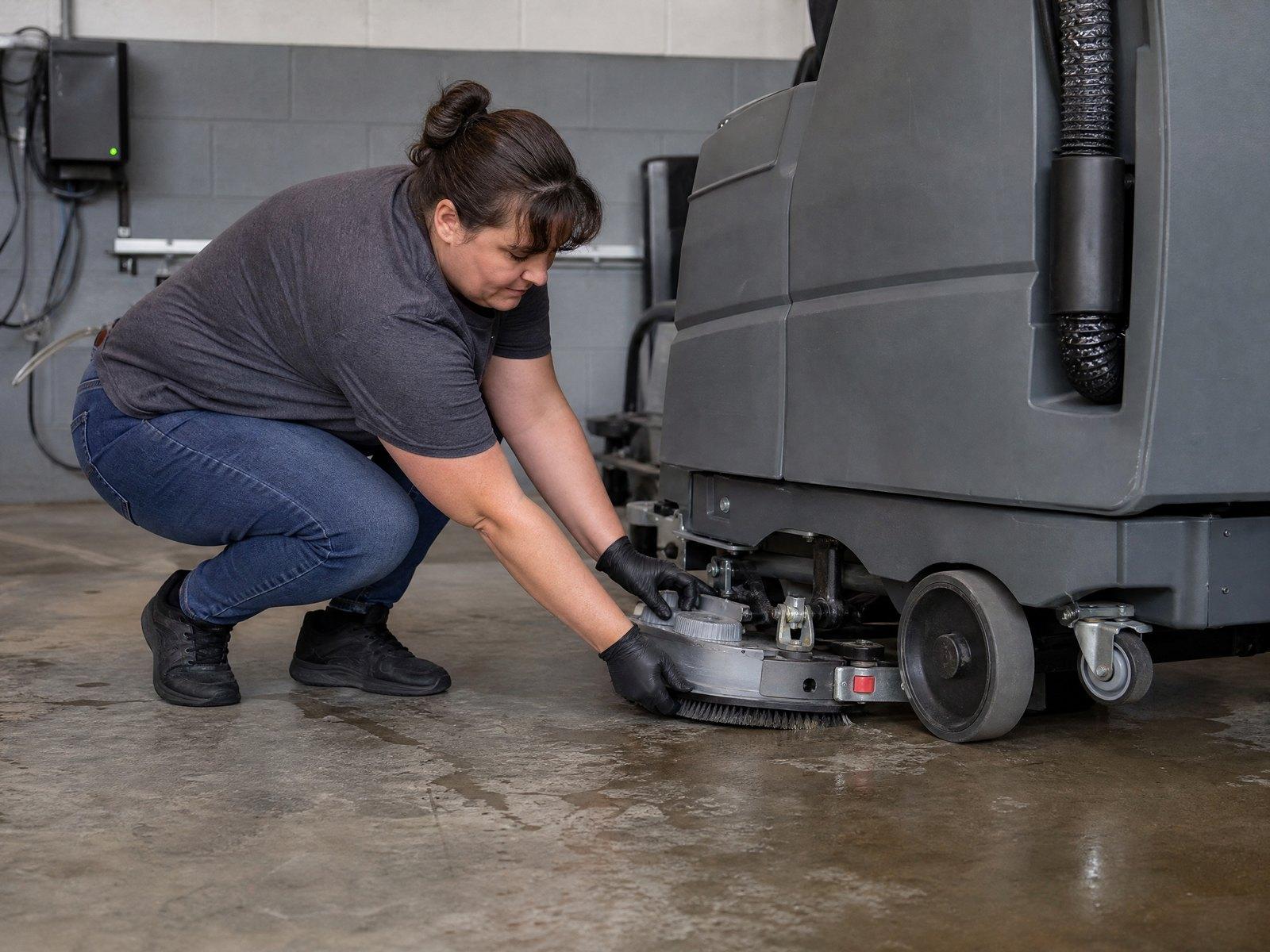
- Sweeper with filtration suited to fine particulate, or wet or vacuum methods
- Dust-suppression or damp-cleaning techniques where dry sweeping would raise dust
- Edge, ledge and equipment-base cleaning within reach of the machine
- Containment of dust at hopper emptying and a designated disposal point
- Filters cleaned or replaced on the machine between visits
- Operator briefing on your site rules, PPE and exposure controls
- A visit note on dust accumulation, leaks and recurring problem areas
Signs dust is a floor-cleaning problem
Fine powder visible on the floor, racking and machines at the end of a shift
Dust clouds when a broom or forklift passes
Dust migrating from process areas to packing, offices or neighbours
A drift of material at conveyor transfers, hoppers or crushers
Housekeeping findings in a safety audit or insurer visit
Operators complaining of irritation or poor air in dusty zones
How the work goes, step by step
Describe the dust
Say what the material is, where it comes from, the areas affected and any exposure rules you follow.
Site assessment
Dust sources, ventilation and surfaces are reviewed with your safety manager.
Written method statement
The scope lists machines, filtration, wet or dry methods, frequency, waste and operator PPE.
Start-up and training
Operators learn your site rules and work the first routes with your team.
Review
Dust levels and housekeeping results are reviewed and the route adjusted.
What changes the price
- Dust type and hazard
- Silica, cement and other fine dusts need specific filtration and methods.
- Area size and layout
- Large plants with many dust sources need longer routes.
- Frequency
- More regular visits keep dust from building into thick layers.
- Equipment
- High-efficiency filtered machines and vacuum systems cost more to run than standard sweepers.
- Waste handling
- Dust must be collected and disposed of in the way your site or local rules require.
- Access and downtime
- Cleaning during production needs coordination and containment.
What a good quote spells out
- Dust type and the method chosen for it, not just 'dust control'
- Filtration level of the machine and how filters are serviced
- Where collected dust goes and who handles it
- How the scope fits your site's exposure rules and your safety plan
- Frequency and where the highest accumulation points are
Dust Control Sweeping: questions people ask
Is dry sweeping safe in a silica area?
Dry sweeping without dust control can raise fine particles into the air, which is why filtered machines, wet methods or vacuums are used. Your site's rules and a safety professional should decide the method.
Can a sweeper be used with wet methods?
Some machines use a light water mist to hold dust down, and others use vacuum systems. The right choice depends on the dust and the floor.
How often should floors be swept in dusty areas?
Dusty areas often need frequent cycles, from daily to weekly, depending on how fast material builds. Regular cleaning reduces the chance of dust being disturbed.
Do contractors take over our compliance duties?
No. Your site keeps its duties for exposure control and monitoring. A sweeping service supports housekeeping inside your plan.
Other Broomline services
Need Real Industrial Sweeping? Let's Scope Your Floor.
Tell us about your facility in the quote form. A specialist who serves your area follows up to arrange a walkthrough and prepare a written route proposal. Free to request, no obligation.
Request a free quote →